Commercial Waste Thornton Heath — Sustainable Recycling and Eco-Friendly Disposal
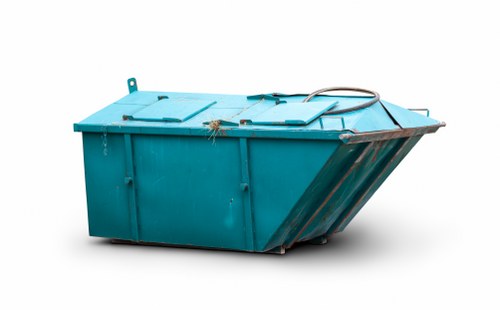 Commercial Waste Thornton Heath services are designed around an explicit commitment to creating an eco-friendly waste disposal area for businesses and organisations across Thornton Heath and the surrounding Croydon borough. Our approach balances practical on-site management with borough-wide collaboration so that commercial rubbish area operations reduce landfill, improve reuse rates and lower carbon emissions. This page explains how we measure progress, where material goes, and the partners who help turn waste into resources.
Recycling percentage targets and performance goals
We set clear, measurable targets to drive improvement across the Thornton Heath commercial rubbish area. Our short-term target is to achieve a 45% recycling and reuse rate for commercial collections within 24 months, moving to a 65% recycling target within five years through improved segregation, reuse and diversion of organics and bulky items. These targets reflect an ambitious but realistic trajectory aligned with London borough aims and national ambitions for waste reduction.
 Local separation practices and borough context
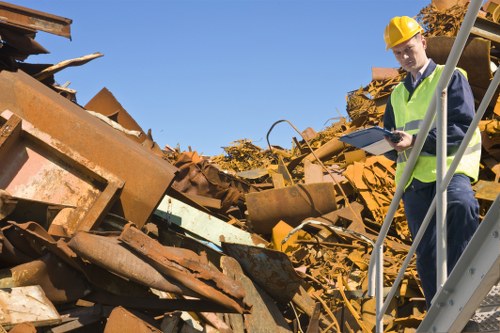
Thornton Heath sits within the wider Croydon approach to waste separation, which emphasises separate collections for dry recycling, food waste, and residual waste in many areas. In practice that means businesses and commercial premises are encouraged to provide separate containers for paper & card, mixed plastics and tins, glass, and food/garden organics where space allows. Common recycling activities relevant to the area include:
- Source-separated paper, card and cardboard for high-rate material recovery
- Glass and metal recycling streams to protect quality for remanufacture
- Food waste collection for anaerobic digestion or composting where available
- Bulky item reuse and WEEE (electricals) diversion via specialist partners
Local transfer stations and material flows
We route commercial collections from Thornton Heath to the most appropriate facilities to preserve material value. Local transfer stations and resource recovery centres used include the Croydon transfer facilities and nearby south London transfer stations and community reuse centres. These hubs allow us to consolidate loads, keep glass and dry recyclables separate, and send organics to AD plants. Using well-managed transfer stations reduces double-handling and keeps recycling streams clean.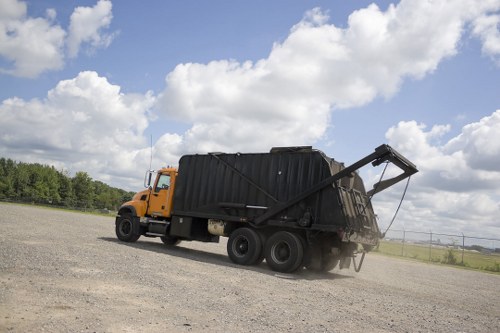
Partnerships with charities and reuse organisations
Strong charity partnerships are central to a sustainable commercial waste strategy. We collaborate with national reuse charities such as Emmaus and British Heart Foundation along with local community organisations and social enterprises to maximise reuse of furniture, textiles and working electronics. These partnerships enable businesses in Thornton Heath to donate or transfer surplus furniture, usable office equipment and textiles rather than sending them to landfill. Working with charities also supports community projects and creates social value from commercial disposals.
Operational measures include detailed waste audits for large generators, standardised labelling of containers, and staff training on source-segregation. We implement clear contractual requirements for contractors operating in Thornton Heath commercial areas so that materials are tracked and diversion rates are recorded. Benefits include lower disposal costs, improved recycling percentage outcomes, and a reduced environmental footprint.
Low-carbon vans and greener collection fleets
We deploy increasingly low-emission vehicles across Thornton Heath routes: electric vans for light collections, hybrid units for mixed loads, and where needed Euro VI or alternative fuel vehicles for heavier operations. Fleet electrification reduces particulate and CO2 emissions in the local commercial waste Thornton Heath environment, especially important within the wider London Low Emission Zone and ULEZ context. Route optimisation and load consolidation further reduce mileage and carbon intensity per tonne of waste managed.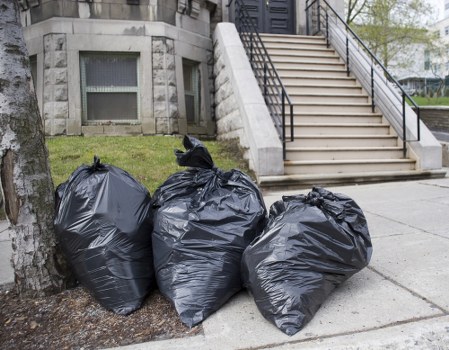
Sustainable design for commercial rubbish areas
Creating a truly sustainable rubbish area on-site means physical design and operational rules that make recycling inevitable. Key elements include covered segregation bays, colour-coded containers, clear signage and staff briefings for duty managers. We work with property managers and landlords across Thornton Heath to install secure, accessible waste stores that reduce contamination and make it straightforward for businesses to separate organics, dry recycling and residual streams.
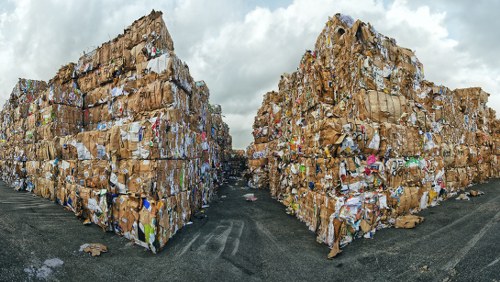 Monitoring, reporting and community alignment — transparency is vital to meet and exceed recycling percentage targets. We provide regular reporting on volumes diverted, materials recovered, and emissions avoided so clients can track progress against the 45% and 65% milestones. We also coordinate with Croydon borough initiatives, local environmental programmes and community groups to align collection patterns and reuse opportunities. This collaborative model strengthens the eco-friendly waste disposal area across the whole neighbourhood.
