Complaints Procedure — Commercial Waste Thornton Heath
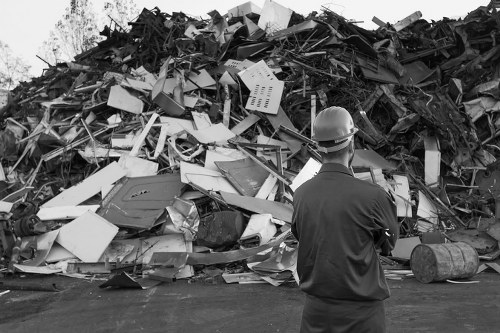 Purpose and scope: This complaints procedure explains how businesses can raise concerns about commercial waste services Thornton Heath and how those concerns will be handled. It covers complaints relating to collection punctuality, missed rubbish collection Thornton Heath appointments, waste segregation and recycling performance, damage to property, invoicing disputes and service reliability. The policy applies to contracted business accounts and commercial rubbish removal arrangements across our service area and is designed to be clear, impartial and consistent.
Our aim is to resolve all complaints promptly and fairly. We will treat every complaint with confidentiality and will not disadvantage any customer for making a complaint. Records are maintained securely and in accordance with data-handling requirements. The procedure ensures transparency about expected timescales, next steps and possible remedies such as re-collection, corrective action, service credits or invoicing adjustments.
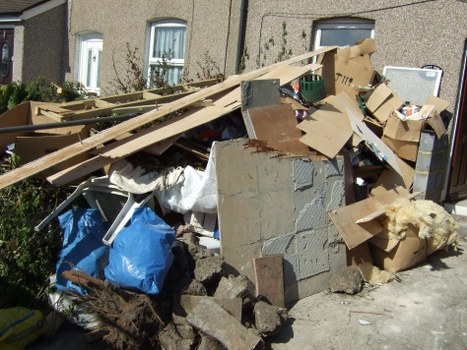 How to make a complaint: Complaints should be submitted in writing or via the designated online reporting process provided to commercial customers. When submitting a complaint, please include the account reference, location of the service, date and time of the issue and a concise description of the problem. Clear evidence such as photographs, logs of missed collections, or copies of invoices will help speed up the investigation. Complaints may also be raised by an authorised representative acting on behalf of the business.
Receipt and acknowledgement
On receipt of a complaint the matter will be logged and an acknowledgement issued within two working days. The acknowledgement will confirm the complaint reference number, the name of the investigating officer and an estimated resolution timeline. If the complaint requires immediate or safety-related action (for example fly-tipping or hazardous waste concerns) we will prioritise an operational response while the investigation continues. Investigation process: The investigating officer will gather relevant information, liaise with collection crews and operational supervisors, and review contractual terms and service level agreements. Typical investigative steps include:
- Verification of collection records and CCTV or vehicle telematics if available;
- Interviewing staff involved in the service delivery;
- Review of any photographic or documentary evidence provided by the customer;
- Site visits when necessary to assess damage or recurring problems.
Outcomes of the investigation will be classified as one of the following: upheld, partially upheld, not upheld, or outside jurisdiction. Where appropriate, the outcome communication will include remedial actions, any compensation or remedial credits, and a plan to prevent recurrence. All decisions will reference the contractual obligations of the commercial waste contract.
Resolution and remedies: If a complaint is upheld, we will propose proportionate remedies which may include a re-collection, an apology, a service adjustment, operational changes or a financial remedy such as a one-off credit. In cases of property damage caused by our operations, a discreet and documented process will be followed to assess liability and compensation. For disputes over invoicing or charges, adjustments will be made where errors are verified.
Escalation and appeal
Should a complainant be dissatisfied with the initial resolution they may request escalation to a senior manager or the contract compliance team. Escalated appeals will be reviewed by a separate officer who was not involved in the original investigation to ensure impartiality. Appeals should set out the reasons for continued dissatisfaction and any additional evidence. We will respond to escalated cases within 15 working days and provide a final internal decision.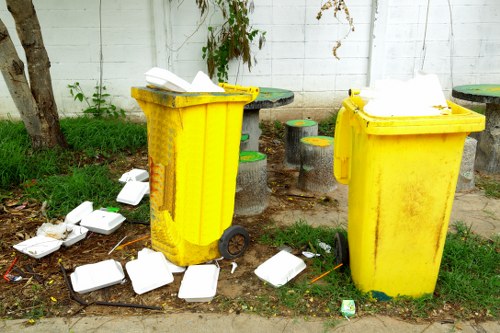 Monitoring, learning and continuous improvement: All complaints are logged and analysed to identify patterns, recurring service failures or training needs. Regular reporting supports continuous improvement of our commercial rubbish removal Thornton Heath operations. We publish anonymised learning outcomes internally and implement corrective action plans aimed at reducing future complaints. Where systemic issues are found, service changes will be scheduled and communicated to affected business customers.
Record keeping and confidentiality: Full records of complaints, investigations and outcomes are retained for audit purposes and to ensure compliance with contractual and regulatory obligations. Personal information collected during investigations is handled in accordance with data protection standards. Complaint records inform performance monitoring and service standards but are not used for marketing purposes.
Performance targets and service standards: We maintain clear performance metrics for commercial waste collections, including punctuality, contamination rates, and customer satisfaction benchmarks. Complaints are one element of our performance review cycle and contribute to supplier evaluations and crew training programs. Where service level agreements specify penalties or credits, such mechanisms will be applied consistently and documented in the outcome communication.
Final note: This complaints procedure exists to ensure transparency and fairness for businesses using commercial waste services in the local area. It is intended to be accessible, timely and proportionate. If a complaint remains unresolved after exhausting the internal process, callers are notified of their right to seek independent review through any applicable external oversight mechanism identified in the contract terms. The policy supports continuous improvement while safeguarding both operational staff and commercial customers.
