Commercial Waste in Thornton Heath

Commercial waste in Thornton Heath needs a service that is straightforward, lawful and suited to busy premises. We handle the removal of day-to-day business rubbish, mixed office waste and other commercial materials that are ready to leave site, helping you keep work areas clear without turning waste management into a disruption. The service is designed for local businesses that want a practical arrangement for collected waste, loading support and onward handling through the right disposal route.
For many customers, the key requirement is consistency: waste should leave the premises in a way that fits trading hours, access limits and the type of material involved. Our commercial waste removal covers routine clearances, one-off uplift jobs and planned collections where premises need a tidy, organised handover of unwanted items. If you are comparing options, use the details on this page to judge what suits your operation best, then ask for a quotation when you are ready.
We can also work with businesses that need a broader clearance rather than a single bin emptying. That can include contents from storerooms, back offices, customer-facing areas or mixed-use spaces where several waste streams have built up together. Tell us what needs removing, and we can discuss the most sensible way to deal with it. For a quick next step, request a quote or send over the basics of the job.
Business waste removal for regular and one-off needs
Our business waste removal service is intended for premises that generate waste beyond ordinary household collections. This includes shops, offices, workshops, small hospitality spaces and service businesses that need a clean-up solution for bagged waste, bulky items or mixed contents from non-domestic areas. The work can be arranged as a single clearance or as a recurring service plan, depending on how often your waste builds up and how much space you want to recover.
Where the waste is mixed, it helps to separate anything that is clearly reusable, recyclable or unsuitable for general disposal. That makes the collection process smoother and can reduce handling complications. We deal with practical waste streams rather than offering a generic promise that suits every site, so the best results come from a clear description of the materials involved, any access considerations and the volume that needs moving. Pricing and quotes gives a useful place to start if you want to compare the job against your budget.
Business customers often want one service that can cover several small problems at once. That might mean removing waste from a stockroom, taking away damaged equipment that is no longer needed, and clearing the leftovers from a refit or change of layout. The aim is to leave the site ready for normal use again, with the waste handled properly and the work kept as simple as possible for the person arranging it.
Office waste removal and workspace clearances
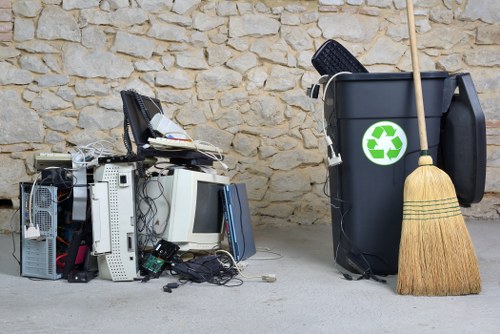
Office waste removal is useful when desks, meeting rooms and storage areas begin to accumulate items that should not stay on site. Typical jobs include paper waste, archive materials, old office furniture, packaging, broken fittings and general contents from rooms being reconfigured. We work with the practical side of office clearance rather than trying to overcomplicate it, so the emphasis stays on moving items out efficiently and leaving the workplace ready for its next use.
Some offices need help with a single room, while others need a more complete strip-out of loose contents before refurbishment, relocation or a change in occupancy. If there are filing cabinets, chairs, shelving or mixed equipment to remove, it helps to think about what is to stay and what is to go before the visit is arranged. Office clearance is the clearest page for customers who want this kind of work handled as a defined service rather than piecing it together from several small tasks.
When you are preparing a quotation request, it is usually enough to outline the type of workspace, the rough quantity of material and whether any items are awkward to move. Photos can be helpful, but a plain description also works if the job is simple. One short message can often save time, especially where access, floor levels or loading arrangements need to be understood in advance. Use that first contact to set out the essentials, then decide whether the service needs a one-off collection or a fuller clearance plan.
Furniture disposal and bulky item removal
Furniture disposal is one of the most common parts of commercial waste work because many premises regularly replace seating, tables, storage and reception items. We remove bulky items that are no longer needed, taking care to keep the process manageable even when pieces are awkward, heavy or difficult to dismantle. This can be especially useful when businesses are refreshing their layout, reducing storage or replacing worn items with a smaller number of better-fitted pieces.
Not every piece of furniture is the same in disposal terms. A lightweight office chair, a solid desk and a large meeting table each create different handling needs, and some items may be mixed with other waste from the same room. That is why it helps to describe the furniture type rather than just saying “old furnitureâ€. If your clear-out includes sofas, chairs or reception seating, furniture disposal is a relevant page to review alongside the main commercial waste service.
Where items are still structurally sound, the question is often whether they should be separated from waste that is only fit for disposal. We do not assume that every bulky item is treated the same way. Instead, the focus is on the practical outcome: items are removed, the site is left tidy, and any material that can be handled appropriately is separated as part of the job where applicable. That approach keeps the work clear and avoids unnecessary disruption to business routines.
Furniture clearance for shops, workplaces and shared areas
Furniture clearance is broader than removing a single item. It is often used when several pieces need to leave together from a business premises, whether the space is a shop floor, a back office, a waiting area or a storage room. This service suits businesses that want the whole clearance arranged at once rather than booking separate visits for each item. It is particularly helpful where furniture has built up over time and the premises need a reset.
In many jobs, the main value is convenience. A single arrangement can cover multiple pieces, mixed access conditions and the final loading of items that are too large for normal bins. If you are unsure whether your waste is better described as furniture disposal or furniture clearance, think about quantity: one or two items may need a focused removal, while a roomful of contents is usually better dealt with as a clearance. Furniture clearance can help frame that decision.
Where possible, it also helps to check whether the furniture is being removed from an upstairs room, a shared building or a location with limited parking. These are the details that influence how the work is organised, not how it is advertised. The service itself stays practical and grounded: we remove the items, manage the lift and carry work, and make sure the waste leaves in a controlled way rather than becoming an extra burden for your staff.
Hazardous waste disposal and careful handling
Some commercial waste streams need a more careful approach than ordinary mixed rubbish. Hazardous waste disposal covers materials that require specific handling because of their contents, condition or disposal rules. Businesses should treat these items separately from standard refuse, particularly where they may include chemicals, contaminated materials or items that must not be mixed with general waste. The right route depends on what the material is, how it is stored and what regulations apply to it.
Because this category is more sensitive than routine waste removal, it is sensible to describe the material accurately before any collection is agreed. Do not assume that a waste item belongs in a general clearance simply because it is small or hidden away. If you have items that might require extra care, hazardous waste disposal is the appropriate page to consult first, then provide a clear list when requesting a quotation. That helps avoid misunderstanding and keeps the job within the right scope.
Business waste arrangements are simpler when everyone knows what is included and what must be left out. If there are several kinds of waste on the same site, it is often better to separate the ordinary items from anything that may need special handling. That approach is more practical for the collection team and more reliable for the customer, because it avoids blurring ordinary clearance with material that follows a different disposal path.
Kitchen, appliance and equipment removal
Commercial premises often need the removal of appliances and equipment as well as loose waste. Fridges, freezers and similar items can become part of a broader clear-out when a kitchen, staff room or prep area is being updated. These items are usually bulky, awkward to move and best dealt with as part of a planned uplift rather than left to build up. If your site has a mix of units, worktops and general waste, the service can be arranged around the full load rather than each item separately.
Where appliance disposal is involved, the main practical point is to identify the items clearly and note whether they are freestanding or fixed into place. Fridge and appliance removal is the most relevant page when that is a significant part of the work, especially if the collection includes a combination of food-service equipment, office kitchen units or other white goods that no longer belong on site.
Some customers also need related bulky items handled at the same time, such as worn seating or heavy contents from break areas. In those cases, the simplest method is to think in terms of the complete room rather than the individual object. That gives a more accurate picture of the labour involved and helps the quotation reflect the real job, without adding unnecessary detail that does not affect the removal itself.
Recycling, disposal routes and useful service choices
Commercial waste work is not only about lifting items away. It also involves making sensible choices about what should be treated as waste, what can be sorted separately and what needs a specialist route. Some businesses prefer a simple one-off removal for mixed contents, while others want a more planned arrangement that makes it easier to keep the premises tidy over time. The service you choose should match the actual pattern of waste at your site rather than a generic package.
To make that choice easier, it helps to review the main categories before you request a quotation: general business waste, bulky furniture, office contents, appliance removal and any material that may need special handling. If your priority is a clearer overview of how waste is dealt with after collection, recycling and sustainability offers a useful supporting page. The point is not to overstate every disposal outcome, but to understand the available route before booking.
For many customers, the most useful decision is whether the job should be treated as a clearance, an itemised removal or a repeat waste arrangement. The answer depends on how much is being moved and how varied the materials are. If you prefer to keep things simple, describe the site in plain terms and ask for the service that fits best. That often leads to a more accurate quotation than trying to force the job into the wrong category.
About Thornton Heath
Thornton Heath is a district in the London Borough of Croydon, in south London, shaped by its position on the edge of the borough and by the arrival of the railway in the nineteenth century. The area grew from a mainly rural landscape into a suburban centre, with development encouraged by transport links and the spread of housing for commuters and local workers. The name is tied to the old heathland character of the district, though very little of the original open landscape remains in its built-up form today. The High Street is still the most recognisable commercial spine, bringing together shops, services and everyday street life in a way that reflects the area’s role as a local centre rather than a single-purpose residential suburb. Thornton Heath also sits close to several other well-known parts of south London, which has helped shape its mix of people, buildings and movement over time. St Mark’s Church and the surrounding streets are among the local landmarks that speak to the district’s Victorian and Edwardian growth, while the town centre area shows layers of later redevelopment. Nearby green spaces, including Thornton Heath Recreation Ground, provide open ground within a dense urban setting, and the local rail station continues to be one of the features that defines the district’s connections. Like many parts of Croydon, Thornton Heath combines older terraced streets, later housing and everyday commercial uses, creating a place that feels busy, practical and distinctly urban without losing its neighbourhood identity.
Commercial waste clearances for changing premises
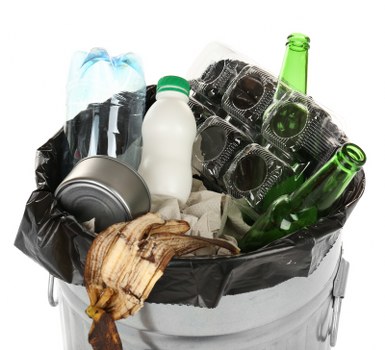
Businesses often need waste removal when premises change use, are being refreshed or simply have too much unused material stored away. Commercial waste clearances can be planned around a move, a refit, a closure, a reduction in storage or a general tidy-up of back-of-house areas. The job may include loose waste, obsolete stock, shelving, furniture or mixed items that no longer serve a purpose in the workplace. We keep the service focused on practical removal rather than unnecessary complexity.
It is usually sensible to think about the space in zones. Front-of-house, storage, office and service areas may each contain different kinds of waste, and that affects the most efficient way to clear them. If the job combines several room types, a clearer description will help the quotation reflect the real amount of work. Business waste removal is the main page for customers who want that broader commercial approach rather than a single-item collection.
When you are ready to move ahead, the most useful next step is to ask for a quotation with a simple outline of the site and the materials involved. If the work is urgent or part of a larger change, note the timing in plain terms and let the service be matched to the job. You do not need to over-explain; just make sure the waste type and access conditions are clear enough for the collection to be arranged sensibly.
Practical planning, quotations and next steps
Most commercial customers want a quotation that reflects the actual work rather than a rough guess. That usually means describing the waste type, the volume, the number of rooms or areas involved and any access details that could affect loading. If you have photographs or a brief inventory, they can help, but they are not the only way to start. The aim is to give enough information for an accurate response without turning the enquiry into a long administrative task.
It is also useful to think about timing and responsibility within the business. If several people may need to approve the work, decide who will be the main contact so the arrangement does not stall. For more detail on how arrangements are set out, contact us is the natural next step when you want to move from browsing to a specific quotation request. Keep the message short, direct and based on the items that need removing.
Ask for a quotation when you are ready to compare the job against your budget and schedule. If you would like to talk through the waste in simple terms first, that is fine too; a clear description of the premises and the materials is often enough to get the process moving. Our aim is to make commercial waste removal in Thornton Heath feel orderly, plain and suitably matched to the work in hand.