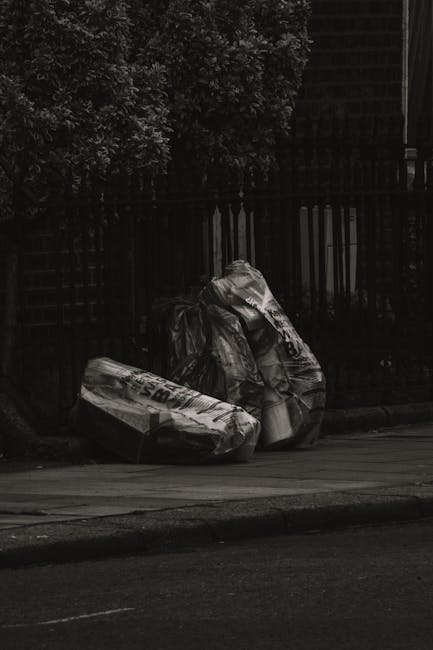
Thornton Heath Pond bulky rubbish collection and rules: a practical local guide
If you are dealing with an old sofa, a broken wardrobe, a mattress that has seen better days, or a pile of awkward household clutter, Thornton Heath Pond bulky rubbish collection and rules can feel more confusing than it should. One minute you are trying to clear space; the next you are wondering what is allowed, what needs special handling, and whether you are about to leave something out on the wrong day. Fair enough, it is not exactly thrilling stuff.
This guide breaks everything down in plain English. You will learn how bulky rubbish collection usually works around Thornton Heath Pond, why the rules matter, what items commonly cause problems, and how to choose the cleanest, safest, least stressful option. If you want a broader waste solution alongside bulky item removal, you may also find waste removal useful, or, for a more organised home clear-out, home clearance can be the better fit.
Table of Contents
- Why Thornton Heath Pond bulky rubbish collection and rules matters
- How Thornton Heath Pond bulky rubbish collection and rules works
- Key benefits and practical advantages
- Who this is for and when it makes sense
- Step-by-step guidance
- Expert tips for better results
- Common mistakes to avoid
- Tools, resources and recommendations
- Law, compliance, standards, or best practice
- Options, methods, or comparison table
- Case study or real-world example
- Practical checklist
- Conclusion
- Frequently asked questions
Why Thornton Heath Pond bulky rubbish collection and rules matters
Bulky rubbish is not just "big waste." It is the awkward stuff that does not fit neatly into a normal bin system: sofas, divan bases, wardrobes, broken appliances, exercise equipment, tables, and the kind of mixed household debris that builds up in a spare room, garage, or hallway. Around a busy local area like Thornton Heath Pond, getting it wrong can create clutter, obstruct access, and add unnecessary stress for you and your neighbours.
The rules matter because bulky items are often handled differently from everyday rubbish. Some items can be collected as general bulky waste; others need separate treatment because of size, material, or safety concerns. Think of it this way: a chair is simple enough, but a fridge, a mattress soaked in rain, or a dismantled cabinet with sharp fixings is a different story. That is where people get caught out.
There is also a practical side. If waste is left out incorrectly, it can be missed, damaged, or turned into a nuisance. In some cases, it can attract complaints, especially where pavements are narrow or access is tight. Let's face it, nobody wants a half-torn sofa sitting outside longer than necessary, especially on a damp London morning when the street is already busy.
Understanding the rules upfront saves time, protects you from avoidable mistakes, and helps you choose between collection, reuse, recycling, or a full clearance service. If you are comparing options, it can help to read about recycling and sustainability as well, because not every bulky item should be treated the same way.
How Thornton Heath Pond bulky rubbish collection and rules works
In practical terms, bulky rubbish collection usually follows a simple logic: identify the item, check whether it is accepted, prepare it properly, and book the right collection method. The details vary depending on the provider you use and the type of item involved, but the basic steps are broadly similar.
First, you decide whether the item is truly bulky waste or something else. Some people assume any unwanted object counts, but mixed loads can include materials that need special handling, such as electrical items, hazardous waste, or items that are still reusable. This is where a quick sort-through saves you time later.
Next comes preparation. Most bulky collections work best when items are accessible, safe to move, and not hidden behind other waste. If a wardrobe needs dismantling, do that before collection day if you can. If screws, glass panels, or loose shelves are involved, bag or tape them securely. Small steps, but they make a difference.
Then you choose the right service. For a single heavy item, a specialised collection may be enough. For a room full of mixed items, a broader clearance is often easier. That is where services like furniture disposal or furniture clearance can be more practical than trying to force everything into a one-item solution.
Some collections are pre-booked, some are arranged for a specific day, and some require you to confirm what is being removed before arrival. In our experience, the smoother jobs are the ones where the customer sends a clear list and a few photos. Nothing fancy. Just enough detail to stop surprises on the day.
Key benefits and practical advantages
When bulky rubbish is handled properly, the benefits are immediate. You get your space back, the home feels calmer, and you avoid the half-finished look that makes a room feel stuck in limbo. There is a genuine mental relief in that, even if it sounds a bit dramatic. Truth be told, clutter does that to people.
One major benefit is safety. Large items leaning in hallways, stacked in gardens, or left on access routes can become trip hazards fast. Sharp edges, broken springs, glass panels, and heavy lifting all increase the chance of injury. A structured collection or clearance reduces that risk.
Another benefit is better sorting. A responsible collection process makes it easier to separate reusable furniture, recyclable materials, and items that need specialist disposal. That is useful if you care about minimising landfill and supporting a more sustainable waste stream. If you are clearing an office, for example, office clearance often gives you a more complete answer than piecemeal removal.
There is also the convenience factor. Instead of hiring a van, lifting heavy objects, and trying to guess what fits where, you can let a structured service deal with the awkward part. And if the item is especially heavy or odd-shaped, that alone can be worth it. Nobody needs a spiral staircase and a chest of drawers becoming a wrestling match at 8:15 in the morning.
Who this is for and when it makes sense
This topic matters to a wide range of people, not just landlords or people doing a full house clear-out. If you live in a flat, manage a rental, run a business, or are preparing for moving day, bulky rubbish can appear at the worst possible moment. It tends to arrive quietly, then suddenly there are three things in the way and no one has a plan.
It makes sense for:
- homeowners replacing old furniture or appliances
- tenants moving out and needing a tidy exit
- landlords clearing left-behind items
- estate or probate clearances where multiple bulky items need sorting
- small businesses replacing office furniture or equipment
- builders or tradespeople with heavy offcuts and site waste
If the job is mostly household furniture, house clearance or flat clearance may suit you better. If it is a mix of old white goods and broken household items, fridge and appliance removal is worth considering for those specific items.
For people with a one-off sofa, mattress, or cupboard, a smaller, targeted approach is often the calmest route. For larger cleanouts, a full-service removal saves time and avoids multiple bookings. Different problem, different answer.
Step-by-step guidance
Here is a sensible way to handle bulky rubbish collection without turning it into a weekend project.
- List everything you want removed. Write it down item by item. A quick note on size, weight, and condition helps more than you might think.
- Separate special items. Put electricals, sharp materials, and anything potentially hazardous into their own group.
- Check access. Make sure doors, hallways, and paths are clear enough for removal. Tight corners are where delays happen.
- Break down what you safely can. Flat-pack furniture, removable legs, and loose shelves should be taken apart if possible.
- Bag small loose pieces. Screws, fittings, and fragments should not be left lying around.
- Ask about restrictions. Before booking, confirm whether your items are accepted and whether any are classed differently.
- Choose the right service level. A one-off collection may be enough, or you may need a broader service such as waste removal or a specialist clearance.
- Prepare the items for easy pickup. Place them in one accessible spot if you can, ideally not blocking the pavement or shared entrance.
A good rule of thumb: if an item feels awkward to carry, awkward to sort, and awkward to dispose of, it probably needs more than a casual "leave it by the gate" approach. That sounds obvious, but people still try it.
Expert tips for better results
One of the biggest time-savers is to group similar items together before collection day. Furniture with furniture, electricals with electricals, garden waste with garden waste. It makes the load easier to assess, and the team can work more efficiently once they arrive.
If you have bulky items mixed with lighter rubbish, consider whether a clear-out service is more sensible than a single-item collection. For example, a spare room full of broken chairs, old drawers, and boxes of random stuff is better handled as a proper clearance. The same goes for garages. A small pile becomes a large one very quickly, and then it is not really "small" anymore. If that sounds familiar, garage clearance might be the cleaner answer.
Be careful with items that contain fluids, batteries, compressors, or concealed hazards. Refrigeration units, for instance, are not just heavy boxes. They can contain components that need attention. For mattresses and sofas, check whether the item is clean enough to recycle or whether it needs a more careful disposal route. A slightly damp mattress, for example, can be a nuisance to handle and not worth leaving until the last minute.
Another useful tip: keep your booking notes short, accurate, and realistic. If you think there may be six items, do not say two. If there is a bit more, say so. It avoids awkward conversations and last-minute reshuffling.
And one more, because people overlook it: plan for where the item comes from, not just where it goes. A wardrobe in a third-floor flat is a different job from one in a front garden. Access matters. Always.
Common mistakes to avoid
The most common mistake is assuming everything bulky can be treated the same way. It cannot. A mattress, a washing machine, a sofa, and a pile of renovation offcuts may all be "big rubbish," but they do not necessarily follow the same disposal route.
Another mistake is poor preparation. People leave items behind closed doors, stack them in a way that blocks access, or forget to dismantle large furniture until the collection team is already there. That is when jobs run late and frustration starts to creep in.
Here are a few to watch out for:
- mixing hazardous items into general bulky waste
- not checking whether the item is reusable or recyclable
- blocking access routes or shared hallways
- forgetting to separate loose fittings, cables, or sharp edges
- underestimating the total volume
- leaving the booking too late and creating a rushed decision
The other big one is trying to DIY everything when the load is simply too heavy or too awkward. There is no medal for carrying a broken wardrobe down four flights of stairs by yourself. Sometimes the smarter move is to step back and use a proper removal service.
Tools, resources and recommendations
You do not need much to prepare for bulky rubbish collection, but a few basic tools can make the job far easier. A screwdriver set, strong tape, gloves, a marker pen, bin bags for screws and fixings, and a torch for checking behind furniture are all useful. A dolly trolley can help, but only where it is safe and practical to use one.
If you are sorting a bigger job, a simple room-by-room list is often better than trying to remember everything from memory. We have all done the "I'll remember it later" thing. Then later arrives, and of course you do not remember it. Classic.
For more structured removals, these pages can help you think through the type of service you actually need:
- furniture clearance for mixed household furnishings
- mattress and sofa disposal for bulky soft furnishings
- builders waste clearance for renovation debris
- what can go in a skip if you are comparing disposal methods
For peace of mind on how work is handled, it can also help to review health and safety policy and insurance and safety. Those pages are useful if you want to understand how a provider approaches risk, lifting, and site safety in general.
Law, compliance, standards, or best practice
Bulky rubbish collection sits inside the wider UK waste rules framework, so compliance is not just a formality. The main idea is simple: waste should be handled by a responsible, suitable route, and certain items require special care. That includes electrical goods, hazardous materials, and anything that could injure someone during handling.
As a reader, the practical takeaway is this: do not guess. If you are unsure whether an item is safe to include in a general bulky load, treat it as separate until it is checked. That cautious approach is usually the best one, especially with older appliances, damaged furniture, or anything that may contain batteries, chemicals, or pressure parts.
Best practice also means protecting shared spaces. In flats, terraces, or mixed-use buildings, bulky waste should not be left where it blocks entrances, fire routes, or access for neighbours. It sounds obvious, yet these are the situations that cause the most friction. A tidy collection point is a small courtesy, but it makes a real difference.
If the job includes confidential paperwork, do not put it into general bulky waste and hope for the best. Use a secure process, or consider a dedicated service such as confidential shredding. That is one of those "better safe than sorry" areas, and to be fair, nobody wants paperwork drifting around in the wrong place.
Finally, always use a provider that is transparent about terms, payment, and complaints handling. The relevant pages on terms and conditions, payment and security, and complaints procedure are useful trust signals for a reason.
Options, methods, or comparison table
Different bulky rubbish situations call for different methods. The best choice is not always the cheapest or the fastest; it is the one that fits the item, the access, and the risk level.
| Method | Best for | Strengths | Watch-outs |
|---|---|---|---|
| One-off bulky item collection | Single sofa, mattress, or appliance | Simple, targeted, usually quick | Less suitable for mixed loads |
| Furniture clearance | Multiple domestic items | Covers several pieces in one visit | Needs clearer item lists |
| Full waste removal | Mixed household or business waste | Flexible and efficient for larger jobs | Needs accurate sorting beforehand |
| Skip-style approach | Ongoing renovation or repeated waste | Useful for staged clear-outs | Not ideal for awkward or restricted access |
| Specialist appliance removal | Fridges, freezers, white goods | Handles regulated or technical items properly | Needs correct item declaration |
If you are torn between options, ask yourself a simple question: am I moving one item, several similar items, or a messy mixed load? That usually points you in the right direction. And if your answer is "a bit of everything," then a wider service is probably the least stressful choice.
Case study or real-world example
Picture a fairly typical Thornton Heath Pond situation. A couple has just replaced a sofa, a tired mattress, and a two-door wardrobe. The hallway is narrow, the flat is on the first floor, and the lift is not an option. They also have a few broken side tables and some packaging from the new furniture.
At first, they think they can leave everything outside on collection day and be done with it. But once they check the item list, it becomes clear the load is mixed: furniture, loose fittings, a little bit of cardboard, and one item that is too awkward to move intact. So they separate the smaller pieces, dismantle the wardrobe, tape up the screws, and make sure the route is clear.
That small bit of preparation changes the whole job. The collection is faster, the access is easier, and there is no last-minute panic about whether the sofa can fit through the stairwell. It is a small example, but it reflects what usually works best in real life: less guessing, more organising.
For a bigger version of the same problem, perhaps after a move or refurbishment, a broader service such as loft clearance or garage clearance may be more efficient than treating every item one by one.
Practical checklist
Use this checklist before your bulky rubbish collection or clearance:
- Have you listed every item clearly?
- Have you separated furniture, electricals, and any hazardous pieces?
- Is the access route clear and safe?
- Have you dismantled items where appropriate?
- Are screws, glass, and loose fittings secured?
- Do you know whether the load is single-item, mixed, or full clearance?
- Have you confirmed any restrictions before booking?
- Is there enough space at the pickup point?
- Have you considered reuse or recycling first?
- Do you have the right support for any heavy lifting?
Expert summary: the best Thornton Heath Pond bulky rubbish collection and rules strategy is usually the one that starts with sorting, not with lifting. Identify the items, separate anything special, and choose the simplest compliant route. That is what keeps the job calm.
If you are comparing providers or trying to understand the wider service journey, pages such as about us, pricing and quotes, and book online can help you decide what feels right for your situation.
Get a free quote today and see how much you can save.
Conclusion
Thornton Heath Pond bulky rubbish collection and rules are really about doing the job in a way that is safe, tidy, and legally sensible. Once you understand what counts as bulky waste, what needs separate handling, and how to prepare items properly, the whole process becomes far less stressful.
Most people do not need a complicated answer. They need a clear one. Sort the load, check the rules, choose the right service, and make the access easy. Do that, and even a messy clear-out can feel manageable. Not fun, obviously, but manageable.
And when the last awkward item is finally gone and the room feels bigger, quieter, and a bit lighter, you will notice the difference straight away. That is the good part.
Frequently Asked Questions
What counts as bulky rubbish in Thornton Heath Pond?
Bulky rubbish usually means large household items that do not fit in normal bins, such as sofas, wardrobes, mattresses, tables, and some appliances. The exact acceptance rules depend on the collection type.
Can I put a broken sofa out with general bulky waste?
Often yes, but it depends on the provider and whether the sofa is clean, manageable, and free from added hazards. If it is heavily damaged, damp, or mixed with other materials, a furniture-specific service may be better.
Do I need to dismantle furniture before collection?
Not always, but dismantling large items usually makes collection easier and safer. If you can remove legs, shelves, or doors without damaging the item or risking injury, it is usually worth doing.
Are fridges and freezers treated the same as other bulky items?
No, they are usually handled differently because they are appliances and may contain components that need specialist treatment. It is best to declare them separately and use the right disposal route.
What should I do with a mattress?
Mattresses are bulky and awkward, but they also need careful handling because of cleanliness, size, and recycling considerations. A dedicated mattress and sofa disposal service is often the simplest route.
Is bulky rubbish collection better than hiring a skip?
It depends on the job. A collection service is often better for mixed bulky items and awkward access, while a skip can suit ongoing renovation or repeated waste. If you are unsure, compare the type of waste first.
What happens if I leave items out incorrectly?
They may be missed, delayed, or create an access issue. In shared spaces, incorrect placement can also cause complaints. It is worth getting the preparation right the first time.
Can I include electrical items with furniture?
Not automatically. Electrical items can require separate handling, so always check before adding them to a furniture load. This is especially important for fridges, freezers, and older appliances.
How do I know whether I need a full clearance service?
If you have a mixed load, multiple rooms, or several heavy items, a full clearance or waste removal service is usually more efficient than arranging item-by-item collections.
Is it safe to move bulky rubbish on my own?
Sometimes, but not always. Heavy lifting, narrow stairs, and sharp or unstable items can quickly become unsafe. If in doubt, get help or use a professional service rather than pushing your luck.
What is the best way to prepare for collection day?
List everything, separate special items, clear the access route, secure loose parts, and make sure the items are ready to move. That simple prep usually saves the most time.
Who should I contact if I want to discuss a larger waste job?
If your load is more than a single bulky item, it is sensible to speak with a provider through the site's contact options or review the relevant service pages first. That gives you a clearer idea of the right approach before you book.