Croydon Council rubbish rules for Thornton Heath homeowners: a practical guide
If you own a home in Thornton Heath, rubbish rules can feel oddly complicated for something as ordinary as putting bins out. Croydon Council rubbish rules for Thornton Heath homeowners cover more than just collection day. They affect how you store waste, sort recycling, deal with bulky items, and handle garden or renovation debris without causing problems for neighbours or the street outside. Get it wrong and you can end up with missed collections, a messy frontage, or worse, an avoidable enforcement issue.
This guide breaks everything down in plain English. You will see how the rules work, what tends to trip people up, and how to stay on the right side of local expectations without overthinking it. A lot of homeowners only need a few straightforward habits to make life easier. Sounds simple, but in real life, simple is not always what the bin situation feels like on a damp Tuesday morning in CR7.
We will also look at practical options for larger clear-outs, when council collection rules may not be enough, and how to choose a sensible route for bulky, garden, or mixed household waste. If you want less faff and fewer surprises, you are in the right place.
Why Croydon Council rubbish rules for Thornton Heath homeowners Matters
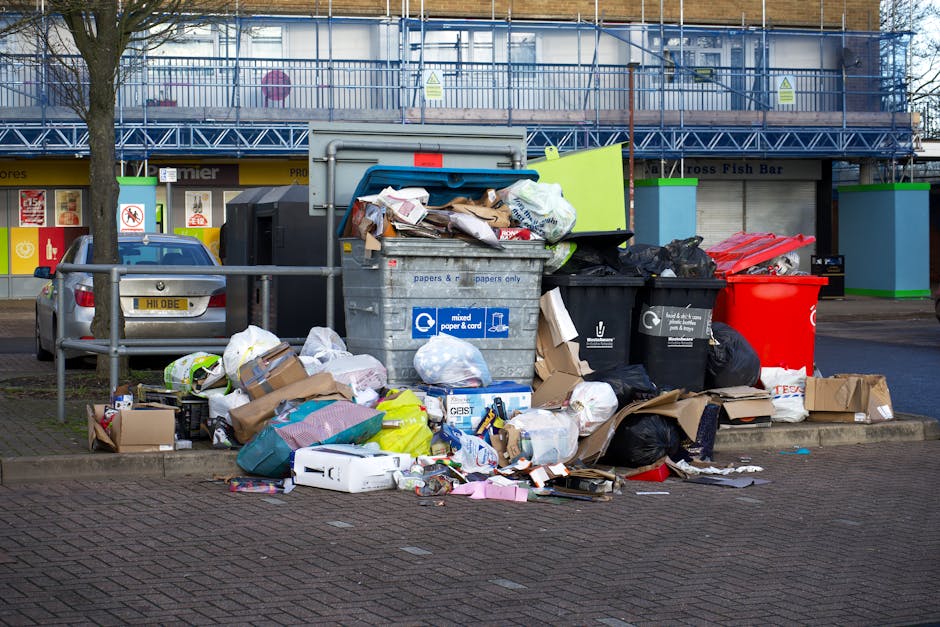
For most homeowners, rubbish rules only become visible when something goes wrong. A bin is left out too long. A recycling bag splits in the rain. A sofa appears on the pavement two days before collection and suddenly everyone on the street is side-eyeing it. That is usually when people realise the local rules are not just admin. They shape how tidy, safe, and hassle-free your home feels day to day.
In Thornton Heath, where many properties sit close together and frontages are shared visually, waste handling has a noticeable effect. Overflowing bins can attract pests, create odours, and make a property look neglected. Even if you are the tidiest house on the row, one wrong move with bulky waste can turn into a neighbour complaint or a collection refusal. To be fair, nobody wants that.
There is also the practical side. Understanding the rules helps you avoid unnecessary private costs. If you know what the council will collect, what needs separating, and what is better handled through a separate clearance service, you save time and, often, a bit of money. More importantly, you reduce the chances of last-minute panic when the skip alternative idea suddenly seems like the only sane option.
Practical takeaway: the more familiar you are with local rubbish expectations, the easier it is to keep your home, pavement, and collection routine under control. Small habits really do make the biggest difference.
How Croydon Council rubbish rules for Thornton Heath homeowners Works
The basic structure is fairly straightforward. Most households in Thornton Heath use council-organised refuse and recycling collections, with different types of waste separated into different containers or presented in specific ways. In practice, that usually means general rubbish in the correct bin, recyclables kept clean and sorted, and any extra waste dealt with through the proper route rather than left beside the bin and hoped for.
One important point: rules are about presentation as much as disposal. Put the wrong items in the wrong container and the whole load may be rejected. Leave bags open to the weather and you may find them ripped or scattered before collection even arrives. If you have ever woken up to seagulls or foxes having a field day, you will know how quickly things can unravel. London life, eh?
Homeowners also need to think about scale. A normal weekly collection is one thing. A loft clearance, a garage clear-out, or a post-renovation pile is another. At that point, you may need a separate disposal plan. For larger domestic jobs, services such as house clearance or garage clearance can make more sense than trying to squeeze everything into routine bins.
The main thing to understand is this: the council system is designed for ordinary household waste. Once your waste becomes bulky, mixed, hazardous, or unusually heavy, you need to check the right method before you put anything out. That step alone avoids a lot of frustration.
What usually falls under standard household handling?
- General everyday rubbish from normal home use
- Common recyclable packaging and paper/cardboard where accepted
- Small amounts of garden debris, depending on the collection setup
- Light domestic items that fit the usual household waste route
What tends to need special handling?
- Mattresses, sofas, and other bulky furniture
- Appliances such as fridges or freezers
- Building rubble, plasterboard, and construction waste
- Hazardous items, chemicals, and certain sharp or contaminated materials
Key Benefits and Practical Advantages
Following the rubbish rules properly is not just about avoiding a telling-off. There are real day-to-day benefits for homeowners who keep on top of it.
- Cleaner frontage: bins stored neatly and waste presented correctly make a property look cared for.
- Fewer collection problems: the less you mix waste types, the smoother collection day tends to go.
- Lower nuisance risk: properly contained waste is less likely to smell, leak, blow around, or attract pests.
- Better planning: once you know what the council will and will not take, you can organise bigger clear-outs more sensibly.
- Less stress: simple routines remove the guesswork. And let's face it, nobody needs another decision at 7 a.m. with a bin lid in one hand.
There is also a financial angle. Homeowners often assume all waste has to be handled the same way, but that is not true. Sometimes a specific collection, a targeted removal, or a service for something like furniture disposal is more efficient than making several trips or storing unwanted items for weeks.
Another benefit is community impact. Thornton Heath is a busy residential area, and street appearance matters more than many people realise. A tidy approach helps everyone nearby, especially in tighter roads where waste can quickly make a pavement feel cluttered. It is one of those small things that quietly improves daily life.
Who This Is For and When It Makes Sense
This guide is especially useful if you are a homeowner in Thornton Heath who wants to keep on top of everyday waste without overcomplicating it. But the needs change depending on your situation.
It makes sense if you are:
- moving into a new property and want to learn the local routine
- new to the area and unsure what the council expects on collection day
- doing a clear-out before sale, letting, or a big home refresh
- dealing with old furniture, loft clutter, or garden waste
- trying to avoid repeated missed collections or rejected bins
It is especially relevant if you have:
- a small front garden or limited storage for bins
- shared access with neighbours
- a family home that produces lots of packaging waste
- bulky items that do not fit into routine collections
- a renovation or decorating project producing mixed waste
If you are staring at a growing pile of unwanted stuff and wondering whether the council, a private clearance service, or a combination of both is the right move, you are not alone. That decision is more common than people admit. Truth be told, most homeowners wait until the clutter becomes annoying enough to act.
For example, if you are clearing a spare room and end up with a mattress, broken shelving, old boxes, and a few appliance scraps, that is no longer a simple bin issue. It becomes a mixed waste problem. In those moments, a broader option such as waste removal can be the cleaner answer.
Step-by-Step Guidance
If you want to stay compliant and keep things moving smoothly, use a simple step-by-step approach. Nothing fancy. Just a clear routine.
- Check what type of waste you have. Separate everyday rubbish, recycling, bulky items, garden waste, and anything hazardous. Mixing everything together creates avoidable problems.
- Use the correct container or presentation method. Put waste in the right bin or approved container and avoid overfilling it. Lids should close properly where possible.
- Keep recyclables clean and practical. Food contamination is one of the quickest ways to ruin a recycling load. A greasy pizza box is not the hero of collection day.
- Put bins out at the right time. Don't leave them out longer than necessary. It looks untidy and can cause obstruction on the pavement.
- Break down large items where appropriate. Flatten cardboard and disassemble what you can safely handle. This saves space and keeps access clear.
- Plan ahead for bulky or awkward waste. If it will not fit in normal collections, arrange a separate solution before the pile grows.
- Store waste securely until collection. Keep it dry, contained, and away from the street where possible.
- Review your routine after big jobs. After a loft sort-out or garden makeover, normal bin habits may need a temporary reset.
A practical example helps here. Say you have been cleaning out a garden shed on a Saturday afternoon. By the time you finish, you have rusted tools, cracked plant pots, old wood, and a surprising amount of dusty packaging. That mix is not something to leave guessing until collection day. Separate what can be recycled, keep the rest contained, and decide whether a garden-focused clearance is more sensible. Services like garden clearance can be useful when the usual bins are clearly not enough.
The key is to make the process repeatable. Once you have a system, you stop thinking of rubbish as a recurring problem and start treating it like a manageable household task. Much calmer.
Expert Tips for Better Results
A few practical habits can make a huge difference. In our experience, it is rarely the big jobs that cause the most trouble. It is the small oversights.
- Stage waste as you go. Keep a small area, ideally dry and out of the way, where items can be sorted before collection or disposal.
- Watch moisture and weather. Rain can turn cardboard and paper into a soggy mess fast. A dry pile is easier to manage and less likely to blow around.
- Think in categories, not piles. A mixed heap looks quicker in the moment, but sorting later takes longer and usually costs more effort.
- Deal with bulky waste early. Do not let old furniture become part of the furniture. That joke lands better in person, probably.
- Use safe lifting habits. Heavy items can be awkward, especially on stairs, in narrow hallways, or when a frame catches the door.
- Be realistic about time. A "quick clear-out" usually becomes a half-day once hidden corners start revealing old clutter.
If you are clearing a lot of household items, a dedicated service such as flat clearance or loft clearance may be better than trying to do everything in stages. That is especially true where access is tight or the items are awkward to carry through the property.
One more thing: take a minute before disposal to check whether anything could be reused, donated, or broken down for easier disposal. It is not always possible, but when it is, it saves time and reduces waste. Small win, but still a win.
Common Mistakes to Avoid
Most rubbish problems are caused by a handful of repeat mistakes. The good news is that they are easy to avoid once you know what to look for.
- Overfilling bins: if the lid cannot close, collections may be refused or mess may spill out.
- Mixing recyclables with food waste: contamination can reduce what can be recovered and may cause collection issues.
- Leaving waste on the pavement too early: it can look untidy and may obstruct pedestrians.
- Assuming bulky items are "just rubbish": sofas, mattresses, and appliances often need a separate plan.
- Ignoring hazardous materials: some items need careful handling and should never go into ordinary waste.
- Forgetting access and timing: a clear route to the collection point matters more than many people think.
There is also a mental trap: assuming that because an item is inconvenient for you, it is convenient for the council. Usually, it is not. A broken wardrobe in pieces still needs to be handled properly. A bag of sharp offcuts still needs containment. Common sense helps, but only if it is actually used.
If you are managing old household items and not sure where to begin, services such as mattress and sofa disposal or fridge and appliance removal can be a cleaner option than trying to improvise. The wrong disposal method tends to create more work later. Always does.
Tools, Resources and Recommendations
You do not need a toolkit the size of a small shed, but a few basic items and habits make waste handling much easier.
- Heavy-duty bin bags: useful for secure containment, especially if you are sorting as you go.
- Gloves: essential for broken items, dusty loft waste, or garden debris.
- Marker labels: handy for separating items into recycling, general waste, donation, or disposal groups.
- Tape and ties: useful for bundling cardboard or securing loose bag tops.
- Trolley or sack barrow: practical for heavier items when access allows.
For homeowners who want a smoother route for larger jobs, the most useful resources are often service pages that match the type of waste rather than a generic one-size-fits-all option. For example, furniture clearance can be better for mixed household furnishings, while builders waste clearance is more appropriate after home improvements.
If you are comparing options, it also helps to understand the business side: transparent pricing, collection timing, and what is included. That is where pages such as pricing and quotes and payment and security become useful for decision-making, especially if you want a clean and predictable process.
Law, Compliance, Standards, or Best Practice
For homeowners, the safest approach is to treat waste disposal as a mix of local rules, common sense, and responsible handling. You do not need to memorise legal texts, but you do need to respect a few broad principles.
First, waste should be placed out in the way your local collection system expects. If it is not presented correctly, it may be left behind. Second, hazardous or potentially harmful materials should never be mixed into ordinary household rubbish. That includes items that could leak, cut, contaminate, or pose a risk to people handling them. Third, if waste is from a home project rather than routine living, it may need a more specialised route.
There is also a general duty of care in how waste is handled. In plain English, that means you should take reasonable steps to make sure rubbish is stored, moved, and passed on safely. That is why reputable providers usually emphasise insurance, safety, and responsible handling. If you are comparing services, pages such as insurance and safety and health and safety policy can help reassure you that the basics are being taken seriously.
Best practice in one sentence: sort waste early, separate risky items, keep everything contained, and choose the right disposal method before the problem becomes a mess.
Options, Methods, or Comparison Table
Not every rubbish situation needs the same solution. Here is a simple comparison to help you judge the most sensible route.
| Option | Best for | Strengths | Limitations |
|---|---|---|---|
| Routine council collection | Weekly household waste and accepted recycling | Convenient and familiar | Not suited to bulky or unusual items |
| Special household disposal | Bulky furniture, appliances, or mixed domestic items | Better for awkward items | May require separate booking or handling |
| Garden or house clearance | Big clear-outs and cluttered spaces | Good for volume and mixed loads | Needs planning and the right service match |
| Builders waste clearance | Renovation debris and construction leftovers | Useful for heavy or messy materials | Not ideal for regular household waste |
If you are unsure which route fits your situation, think about three things: the type of waste, the amount of waste, and how quickly you need it gone. That usually points you in the right direction. A small bag of packaging is one thing. A pile of plaster, timber offcuts, and old fixtures is another entirely.
For people tackling a fuller home reset, home clearance can be a sensible middle ground. It is broad enough for mixed domestic waste without forcing you to manage everything in separate tiny trips.
Case Study or Real-World Example
A Thornton Heath homeowner decides to clear a spare room before turning it into a study. At first glance, it looks easy: one old bed frame, a broken chair, some cardboard, a few bags of general rubbish, and a small stack of things "for later." You know the one. The pile that quietly becomes a second pile.
By the end of the day, the mix has changed. There is now a mattress, a box of old cables, a damaged shelf, and a couple of items the homeowner is not sure about. If they try to solve it all through the ordinary bin routine, some of it will not fit, some of it may be unsuitable, and some of it will sit around longer than planned. That is where a more structured approach helps.
In a case like this, the homeowner could separate recyclable cardboard, set aside reusable items, and arrange a specialised disposal route for the bulky pieces. If the clutter had spread further into other rooms, a broader service such as house clearance or home clearance would save time and reduce the back-and-forth.
The useful lesson here is not that every clear-out needs professional help. Far from it. The lesson is that sorting early gives you options. Without sorting, you are stuck reacting. With sorting, you are choosing. That shift matters more than people expect.
Practical Checklist
Use this before collection day or before a larger clear-out. It keeps things tidy and stops last-minute muddle.
- Have I separated general waste, recycling, and bulky items?
- Are any items hazardous, sharp, or likely to leak?
- Is everything in the correct container or securely bagged?
- Have I checked whether the item fits ordinary collection rules?
- Do I need a special disposal route for furniture, appliances, or building waste?
- Is my waste stored safely and out of the way until collection?
- Have I avoided overfilling bags and bins?
- Have I flattened or broken down anything safely to save space?
- Do I know the best day and time to put things out?
- Would a dedicated clearance service save me time and effort?
If you can answer yes to most of those, you are in good shape. If not, pause and sort before you move anything else. It is much easier to fix the plan than to fix a mess.
Get a free quote today and see how much you can save.
Conclusion
Croydon Council rubbish rules for Thornton Heath homeowners are easiest to manage when you treat them as a simple household system rather than a one-off chore. Know what belongs where, keep waste contained, and step up to a more suitable disposal method when the job gets bigger than the usual bin routine.
That approach saves time, keeps your home looking cared for, and makes collection day far less stressful. It also helps you avoid the awkward bits: missed bins, cluttered pavements, and that nagging feeling that you might have done something wrong. Nobody wants that little headache hanging around all week.
If you are dealing with bulky furniture, garden debris, loft clutter, or renovation waste, choosing the right clearance route is often the smartest move. Keep it simple, stay organised, and let the rubbish leave on your terms. Small systems, consistently done, tend to work best. Funny how that is nearly always true.
Frequently Asked Questions
What are the basic Croydon Council rubbish rules for Thornton Heath homeowners?
The basic idea is that household waste should be sorted correctly, placed in the right container, and put out for collection in a tidy and safe way. Bulky, hazardous, or renovation waste usually needs a different approach.
Can I leave my bins out all the time?
Usually, no. Bins are generally expected to be presented for collection at the right time and not left out longer than necessary. Leaving them on the pavement for extended periods can cause access issues and looks untidy.
What should I do with bulky items like sofas or mattresses?
Bulky items often need a separate disposal route rather than routine household collection. For many homeowners, a dedicated service is the cleanest option, especially if the item is heavy, awkward, or hard to move.
Can I put garden waste in my normal household bin?
Sometimes small amounts may be acceptable, but bigger garden clear-outs usually need a more suitable method. If you have branches, soil, or a lot of clippings, a garden-specific solution is often more practical.
What happens if I mix recycling with general rubbish?
Mixed waste can reduce what is recyclable and may lead to collection problems. Keeping waste streams separate is one of the simplest ways to avoid hassle.
Do I need a special service for renovation debris?
Yes, often you do. Builders' waste, plaster, rubble, timber offcuts, and similar materials are usually better handled through a service designed for construction waste rather than ordinary bins.
How do I know if something counts as hazardous waste?
If an item could leak, burn, contaminate, cut, or create a health risk, treat it with caution. Chemicals, certain cleaning products, sharp materials, and some electrical or contaminated items may need special handling.
Is it cheaper to use the council or a private clearance service?
It depends on the type and amount of waste. Routine household waste is often simplest through the council, while bulky or mixed clear-outs may be more efficient with a clearance service. The cheapest option is not always the best one if it takes more time or creates more effort.
What if I have a loft or garage full of mixed items?
That usually means you are dealing with a larger clearance rather than a normal rubbish job. A service such as loft clearance or garage clearance can save a lot of sorting and lifting time.
How far in advance should I plan a rubbish clear-out?
For small jobs, a day or two may be enough. For larger clearances, it is better to plan ahead so you can sort items, identify anything special, and avoid last-minute scrambling. A little prep goes a long way.
Can I just leave unwanted items on the pavement?
No, not as a general rule. Leaving items outside without a proper arrangement can cause obstruction, invite complaints, and create a mess. Always use the correct disposal route for the item.
What is the most common mistake Thornton Heath homeowners make?
The biggest mistake is underestimating how much waste a normal home project creates. What starts as a tidy clear-out can quickly become mixed, bulky, and awkward. Planning for that extra volume saves a lot of stress.